
The Future of the Construction Industry: Trends in Sustainability and Material Reuse
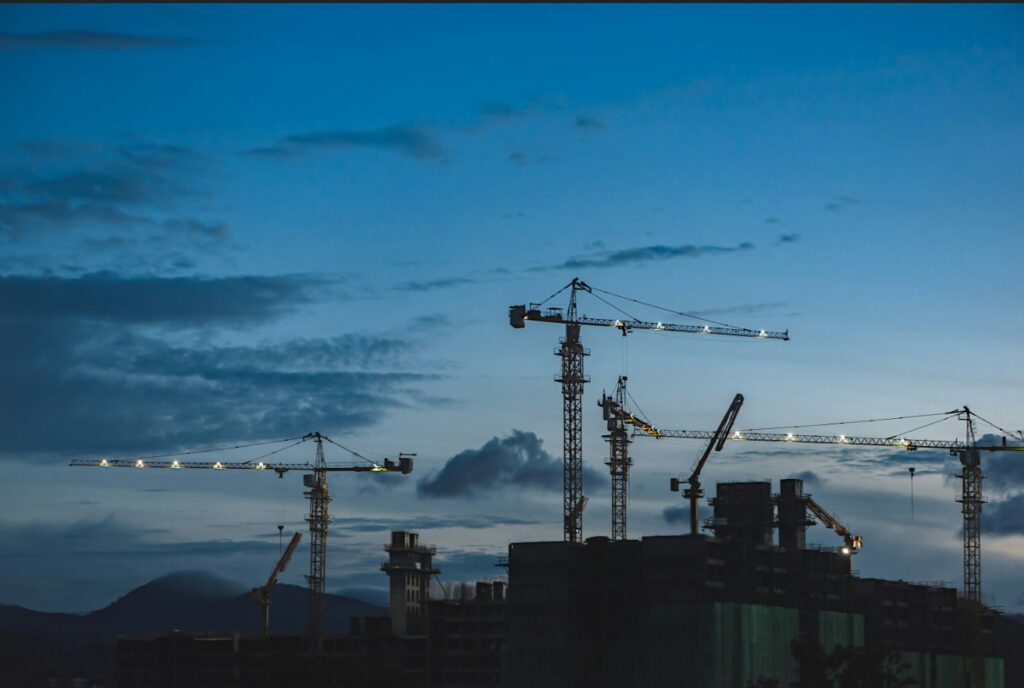
As the world increasingly focuses on sustainable practices, the construction industry is no exception. With a high environmental footprint due to resource consumption and waste production, this sector is undergoing significant shifts toward eco-friendly approaches. These trends are driven by new regulations, consumer demand for greener solutions, and technological advancements. Here’s a closer look at the trends that will shape the future of sustainable construction.
Emphasis on Green Building Materials
One of the core ways the industry is evolving is through the use of sustainable building materials. Traditional construction materials, like concrete and steel, come with a high environmental cost. Today, alternatives such as recycled steel, bamboo, cross-laminated timber (CLT), and even hempcrete are becoming popular. These materials not only reduce carbon emissions but often allow for greater flexibility in design and construction.
Recycling and Reuse of Materials
The construction industry is moving toward a circular economy model, where materials are reused instead of being discarded. Recycled concrete, glass, metal, and wood are all being utilized in new projects, minimizing waste and reducing demand for virgin resources. Many buildings are now designed with deconstruction in mind, allowing materials to be more easily separated and reused in future projects.
Energy Efficiency and Renewable Energy Integration
Energy-efficient buildings are becoming the standard, as they reduce operational costs and environmental impact. Building designs that prioritize natural lighting, ventilation, and insulation are on the rise. Additionally, integrating renewable energy sources, such as solar panels or geothermal systems, is now seen as essential in new developments.
Modular and Prefabricated Construction
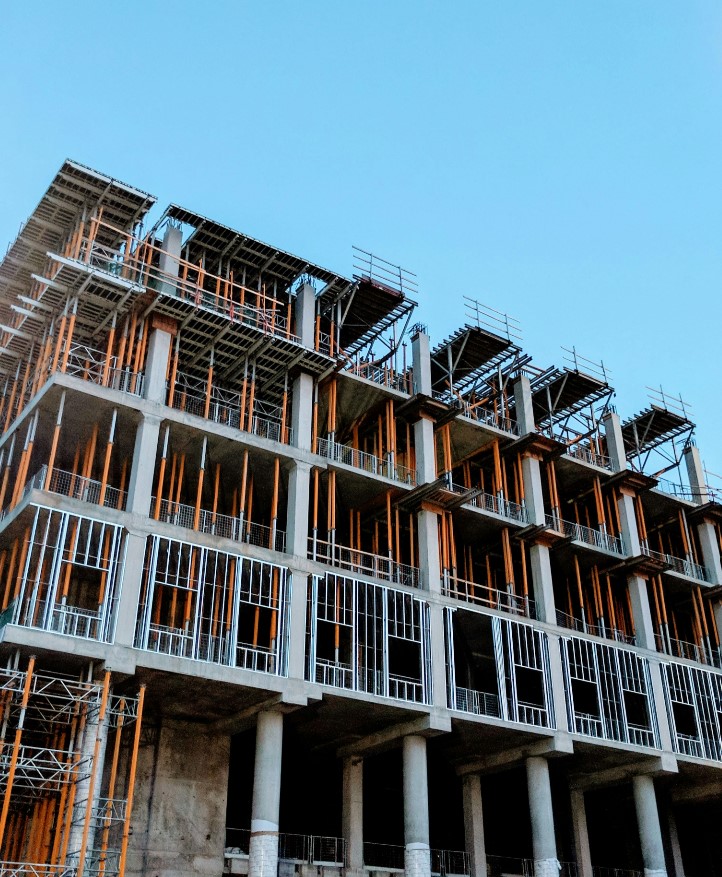
Modular and prefabricated construction methods have grown in popularity due to their efficiency and lower environmental impact. By manufacturing components in controlled environments and assembling them on-site, these methods significantly reduce waste, labor, and time. This approach is especially beneficial for urban projects, where space and resources may be limited.
Digital Tools and Smart Technology
Advancements in digital tools are aiding sustainable construction efforts. Technologies like Building Information Modeling (BIM), Artificial Intelligence (AI), and the Internet of Things (IoT) enable better planning, efficient resource management, and predictive maintenance. These tools also allow for precise energy modeling, ensuring buildings are as efficient as possible from the outset.
Water Conservation and Management
With water scarcity becoming a pressing global issue, construction projects are now integrating water-saving features such as low-flow plumbing fixtures, rainwater harvesting systems, and green roofs. Sustainable drainage systems (SuDS) are also being incorporated into urban designs to manage stormwater runoff and reduce flood risks.
The construction industry is rapidly evolving toward a future that prioritizes environmental responsibility. From the adoption of green materials to the implementation of cutting-edge technology, each of these trends contributes to a more sustainable and resource-efficient construction landscape. Embracing these practices not only aligns with global sustainability goals but also drives innovation and resilience in the industry.
-
loopicaco
- 6 Comments
6 Comments
Awesome
Awesome
Awesome