
Reducing carbon production by recycling construction materials

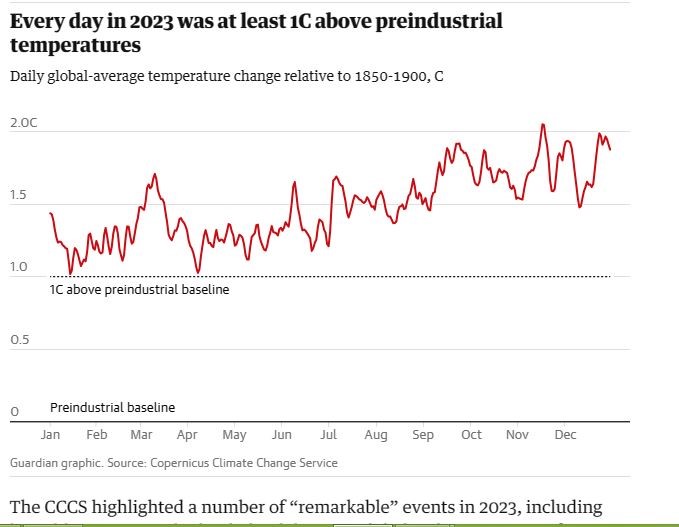
Today, with the advancement of technology and industry, many dilemmas have arisen. One of these problems is carbon production by industries. According to Statista, the global carbon dioxide emissions from fossil fuels and industry totaled 37.15 billion metric tons (GtCO₂) in 2022. Emissions are projected to have risen 1.1 percent in 2023 to reach a record high of 37.55 GtCO₂. Since 1990, global CO₂ emissions have increased by more than 60 percent. This is a major contributor to the climate crisis, as CO₂ is a greenhouse gas that traps heat in the atmosphere and raises the global temperature. The CCCS data showed that 2023 was the hottest year on record by a large margin, with some extreme weather events that would have been virtually impossible without human-caused global heating. To avoid the worst impacts of climate change, rapid reduction in fossil fuel burning is urgently needed to preserve liveable conditions.
Carbon production in Canada refers to the amount of carbon dioxide (CO2) and other greenhouse gases (GHGs) that are emitted from various sources within the country. According to the latest report from the federal government, Canada’s GHG emissions rose by 1.8 percent in 2021 compared to 2020 but were still below the pre-pandemic level of 2019. The report estimates that Canada produced 670 million tonnes of CO2 and its equivalents in methane, nitrous oxide and synthetic gases in 2021. This is equivalent to 14.2 tonnes of CO2 per person, which is among the highest in the world. The main sources of Canada’s GHG emissions are oil and gas, transportation, buildings, electricity, heavy industry, agriculture, and waste. The government has set a target to reduce emissions by 40 to 45 percent below 2005 levels by 2030. To achieve this goal, Canada will need to implement stronger policies and actions to cut fossil fuel use and increase renewable energy sources.
When a building is demolished in Canada, the material is not simply discarded. Instead, it is sorted and separated into different categories, such as wood, metal, concrete, and other materials. This process is known as construction and demolition (C&D) waste management.
The purpose of C&D waste management is to reduce the amount of waste that ends up in landfills and promote sustainable practices. By recycling and reusing materials from demolished buildings, we can conserve natural resources, reduce greenhouse gas emissions, and create new products. In Canada, C&D waste management is regulated by provincial and municipal governments. The regulations set guidelines for the handling, transportation, and disposal of construction and demolition waste. These guidelines are designed to ensure that the waste is managed safely and responsibly.
Once the material from a demolished building has been sorted, it is sent to recycling facilities or landfills for disposal. Recycling facilities use specialized equipment to process the materials and turn them into new products. For example, wood can be turned into mulch or used to make particleboard. Concrete can be crushed and used as aggregate for new construction projects.
Salvaged materials such as doors, windows, and fixtures may also be donated or sold for reuse. This practice is known as deconstruction. Deconstruction can be more time-consuming and costly than traditional demolition, but it can also provide economic and environmental benefits. By salvaging materials from a building before it is demolished, we can reduce the amount of waste that ends up in landfills and create new jobs in the recycling industry.
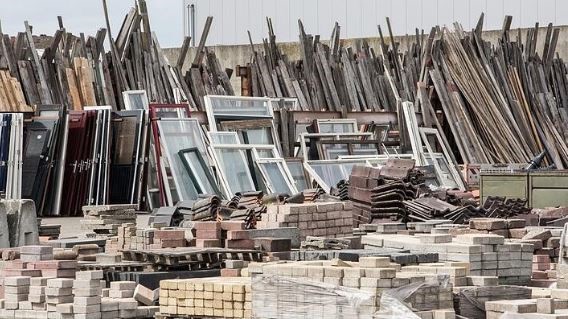
In addition to recycling and deconstruction, some companies are exploring innovative ways to reuse materials from demolished buildings. For example, one company in Toronto is using bricks salvaged from old buildings to create new modular homes. This approach not only reduces waste but also preserves the character of historic neighborhoods.
Overall, C&D waste management plays an important role in promoting sustainability in the construction industry. By diverting waste from landfills and finding new uses for materials, we can reduce our impact on the environment and create a more circular economy. As consumers, we can also do our part by supporting companies that prioritize sustainability and recycling in their operations.
-
loopicaco
- 9 Comments
9 Comments
Awesome
Awesome
Very good