
What support are the European, American and Canadian governments doing to reduce carbon based on the recycling of building materials
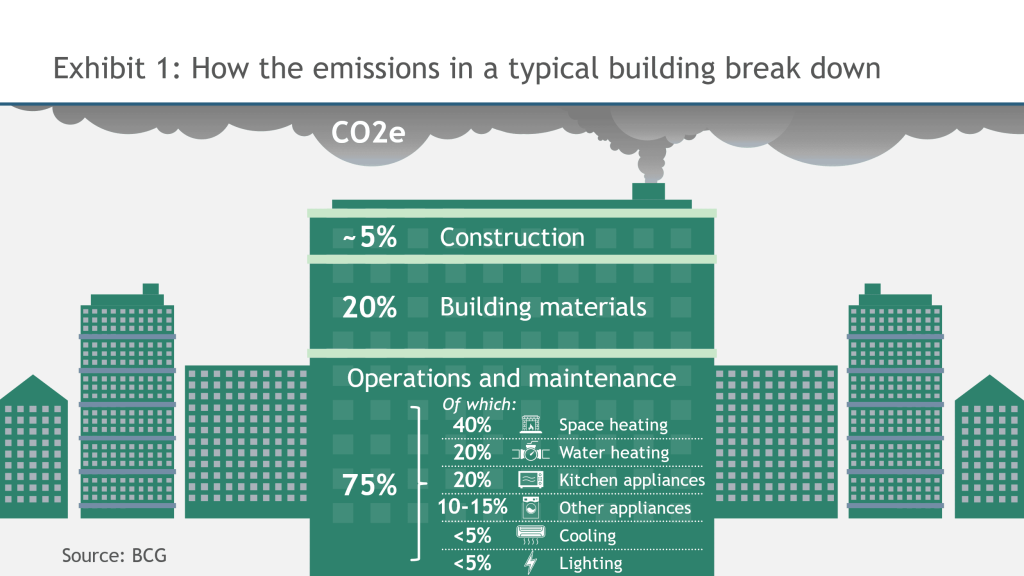
Governmental initiatives in the European Union, the United States, and Canada aimed at reducing carbon emissions through the recycling of building materials are multi-faceted, encompassing a range of policies, regulations, and programs. Each region has developed distinct frameworks to facilitate the transition toward sustainable building practices and reduce the overall carbon footprint associated with construction activities.
European Union
The European Union has established a robust regulatory framework focused on promoting the recycling of construction materials and reducing carbon emissions.
- 1. Waste Framework Directive: This directive sets ambitious recycling targets, aiming for at least 65% of non-hazardous construction and demolition waste to be recycled by 2035. This regulatory structure necessitates member states to develop national programs that align with these recycling goals.
- Construction and Demolition Waste Management Protocol: Released by the European Commission, this protocol provides guidelines on best practices for managing construction and demolition waste. It emphasizes the importance of reusing materials, reducing waste generation, and ensuring high recycling rates while also minimizing environmental impacts throughout the entire lifecycle of buildings.
- Circular Economy Action Plan: Launched as part of the European Green Deal, this plan seeks to promote sustainable practices across various industries, including construction. By transitioning to a circular economy, the EU aims to significantly cut carbon emissions related to building materials. The Ellen MacArthur Foundation estimates that a circular economy could reduce global CO2 emissions from building materials by 38% by 2050.
- 4. European Bauhaus Initiative: This initiative aims to foster innovative and sustainable construction practices that combine aesthetics, sustainability, and inclusiveness in building design. Emerging policies from this framework are intended to support the use of recyclable materials in construction as part of the broader EU green agenda.
United States
In the United States, multiple initiatives and policies have been implemented at various governmental levels to address embodied carbon in construction.
- National Recycling Strategy: The EPA aims to increase the national recycling rate to 50% by 2030. This strategy includes targeted actions for specific materials, including those generated from construction and demolition activities, thereby fostering a recycling-centric approach.
- Environmental Product Declarations (EPDs): The EPA encourages manufacturers to develop EPDs that detail the environmental impacts of materials throughout their lifecycle. This initiative aims to promote transparency and guide consumers and builders in selecting materials with lower embodied carbon footprints.
- Inflation Reduction Act: Enacted in 2022, this act allocates funds to projects aimed at reducing embodied carbon in construction materials. Specific provisions mandate federal agencies to set contractor requirements that prioritize the use of low-carbon materials in federal construction projects, thus catalyzing the market for sustainable materials.
- Buy Clean Initiative: This initiative prioritizes the procurement of low-carbon construction materials by federal agencies, leveraging the government’s sizable purchasing power. This approach not only supports the market for sustainably produced materials but also aims at reducing the carbon footprint of federal infrastructure projects.
Canadian Initiatives
Canada’s approach encompasses several strategies designed to reduce carbon emissions through innovative building practices and material recycling:
- Canada Green Buildings Strategy: This initiative is focused on lowering greenhouse gas emissions in the building sector. Key components include promoting the use of recycled and low-carbon materials in both new constructions and renovations.
- Net-Zero Accelerator Initiative: This funding program supports projects that advance low-carbon and sustainable building techniques, which includes the recycling of materials as a critical component of its strategy.
- Circular Economy Initiatives: The Canadian government actively promotes the adoption of circular economy frameworks that encourage the reuse, recycling, and repurposing of materials used in construction. This includes discrete targets for decreasing carbon emissions in the construction sector.
- Building Energy Efficiency Standards: Canada has been enhancing its building codes to require higher energy efficiency standards, which indirectly promotes the use of sustainable materials and technologies that reduce carbon emissions over their lifecycle.
Detailed Analysis and Conclusions
These governmental initiatives from the EU, USA, and Canada illustrate a concerted effort to leverage recycling as a pivotal strategy in reducing carbon emissions from the construction industry.
– By setting stringent recycling targets and creating regulatory frameworks, the EU is spearheading the transition toward a circular economy.
– The U.S. has focused on integrating low-carbon materials into federal procurement processes, providing a robust market for sustainable construction practices.
– Canada’s comprehensive approach intertwines ecological sustainability with economic development, promoting innovative solutions for material recycling.
The emphasis on recycling building materials not only contributes to reducing emissions but also provides economic benefits by reducing waste management costs and conserving resources. As these initiatives progress, the interplay between policy, industry standards, and market dynamics will be crucial in achieving net-zero goals and fostering a sustainable future in construction practices across these regions.
Sources:
[1] Renovations, sustainable building materials can boost Europe’s …, https://www.eea.europa.eu/en/newsroom/news/renovations-sustainable-building-materials
[2] Waste and recycling | European Environment Agency’s home page, https://www.eea.europa.eu/en/topics/in-depth/waste-and-recycling
[3] Reducing Embodied Carbon of Construction Materials | US EPA, https://www.epa.gov/greenerproducts/reducing-embodied-carbon
[4] Low-embodied carbon program details – GSA, https://www.gsa.gov/real-estate/gsa-properties/inflation-reduction-act/lec-program-details
[5] Government Incentives for Low Carbon Construction Materials Are …, https://propmodo.com/government-incentives-for-low-carbon-construction-materials-are-great-but-not-enough/
[6] The Canada Green Buildings Strategy, https://natural-resources.canada.ca/transparency/reporting-and-accountability/plans-and-performance-reports/departmental-strategies/the-canada-green-buildings-strategy-transforming-canadas-buildings-sector-for-net-zer/26065
-
loopicaco
- 41 Comments
41 Comments
Good
Very good
Very good